

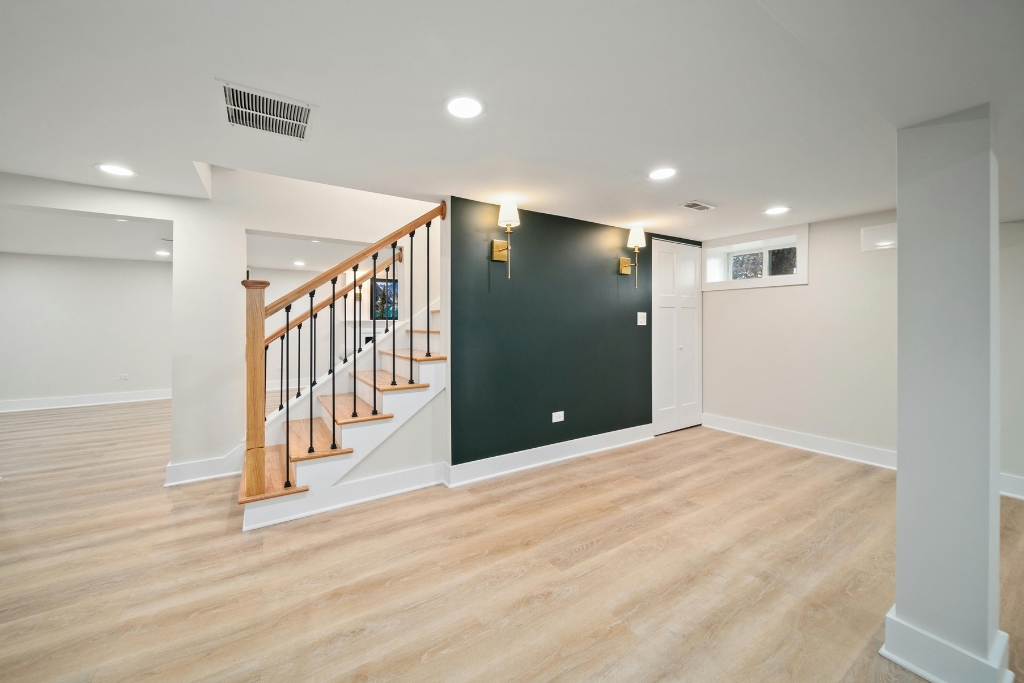
Basement remodeling is an excellent way to create more usable space in your home while improving comfort, functionality, and property value. Whether you want to build a family room, home office, guest bedroom, gym, or entertainment area, careful planning is essential for a successful project.
A well planned basement remodeling project requires more than choosing flooring and paint colors. You must consider moisture control, layout, lighting, electrical work, insulation, permits, and your overall budget. This guide explains how to plan your basement remodeling project from start to finish.
1. Define Your Basement Remodeling Goals
The first step in any basement remodeling project is identifying how you want to use the space. Your goals will influence the design, materials, budget, and construction process.
Consider the following questions:
• Will the basement become a family room or entertainment area?
• Do you need a home office or study space?
• Are you planning to add a guest bedroom or bathroom?
• Will the basement include storage, a gym, or a playroom?
• Do you want to create a multipurpose living area?
Write down your priorities before contacting a remodeling contractor. This will help you communicate your expectations and make practical decisions throughout the project.
If you are unsure how to use your basement efficiently, a professional remodeling team can help you evaluate the available space and develop a layout that supports your lifestyle.
2. Inspect the Basement Before Remodeling
Before beginning basement remodeling, inspect the existing condition of the space. Basements can experience moisture, poor ventilation, foundation concerns, and limited natural light. Addressing these issues before construction can help prevent expensive problems later.
Check for:
• Water stains or signs of previous leaks
• Damp odors or visible moisture
• Cracks in foundation walls or floors
• Uneven flooring
• Existing plumbing and electrical limitations
• Insufficient insulation or ventilation
If you notice moisture or structural concerns, consult the appropriate professionals before moving forward. Waterproofing and foundation repairs should be addressed before installing finished walls, flooring, or other materials.
You can also review our Basement Remodeling in Massachusetts service page to learn more about planning a professionally remodeled basement.
3. Create a Realistic Basement Remodeling Budget
Your budget should account for both the visible improvements and the technical work required behind the walls. Basement remodeling costs vary depending on the size of the space, the condition of the basement, the materials selected, and the complexity of the design.
Your budget may include:
• Design and planning
• Demolition and preparation
• Moisture control and repairs
• Framing and insulation
• Electrical and plumbing work
• Flooring, walls, and ceilings
• Lighting and fixtures
• Finishing touches and furnishings
Set aside additional funds for unexpected issues. Older basements may require repairs or updates that are not obvious during the initial inspection.
A qualified remodeling contractor can review your goals and provide a detailed estimate based on the proposed scope of work. Request clarification about what is included in the estimate so you can compare options accurately.
4. Plan the Basement Layout and Design
The layout determines how comfortable and functional your remodeled basement will be. Start by measuring the available space and identifying fixed elements such as support columns, stairs, windows, utility equipment, and plumbing connections.
Your design should consider:
• Clear walking paths
• Furniture placement
• Storage requirements
• Natural and artificial lighting
• Ceiling height
• Access to utility systems
• Future maintenance needs
For example, a family room may require comfortable seating and entertainment space, while a home office may need dedicated lighting, electrical outlets, and privacy.
Choose durable materials that are suitable for basement conditions. Flooring, wall finishes, and insulation should be selected with moisture management and long term maintenance in mind.
5. Review Permits, Building Requirements, and Safety
Depending on the scope of your basement remodeling project and your local requirements, permits or inspections may be necessary. Electrical changes, plumbing installations, structural modifications, and the creation of habitable rooms can involve specific regulations.
Before construction begins, discuss applicable requirements with your remodeling contractor and local building department. Requirements may vary based on your location and the type of work being completed.
If you plan to add a bedroom, verify requirements related to emergency exits, ventilation, ceiling height, smoke alarms, and other safety considerations. Do not assume that every basement can automatically be converted into a legal bedroom or living area.
A professional contractor should help you understand which aspects of the project require additional review and coordination.
6. Choose an Experienced Basement Remodeling Contractor
Selecting the right contractor is one of the most important decisions in your basement remodeling process. Look for a company with experience in basement renovations and a clear approach to project planning.
When evaluating contractors, consider:
• Relevant remodeling experience
• Customer reviews and testimonials
• Examples of completed projects
• Communication and project management
• Written estimates and defined scope
• Licensing and insurance information
Ask questions about the construction timeline, subcontractors, material selection, and how unexpected issues will be handled.
A reliable contractor should explain the process clearly rather than making unrealistic promises about cost or completion time. You should feel comfortable discussing your expectations and asking questions before signing an agreement.
7. Prepare for the Construction Process
Once the design, budget, and scope are approved, the construction phase can begin. The exact order of work depends on the condition of your basement and the type of remodeling project.
A typical process may include:
- Preparing and protecting the work area
- Completing demolition and necessary repairs
- Addressing moisture or waterproofing concerns
- Installing framing, insulation, and required systems
- Completing electrical and plumbing work
- Installing walls, ceilings, and flooring
- Adding lighting, fixtures, trim, and finishes
- Completing inspections and final quality checks
Construction schedules can change if hidden damage, material delays, or permit requirements arise. Maintain regular communication with your contractor so you understand the progress and any decisions that need your attention.
8. Complete a Final Walkthrough
Before considering your basement remodeling project complete, schedule a final walkthrough with your contractor. Review the finished space carefully and confirm that the work matches the agreed scope.
Check the following:
• Doors, windows, and stairs
• Lighting and electrical outlets
• Plumbing fixtures, if included
• Flooring and wall finishes
• Heating and ventilation
• Storage and built in features
• Overall cleanliness and finishing details
Ask your contractor about maintenance recommendations, product warranties, and any remaining documentation. Make sure outstanding issues are identified and addressed before the project is formally completed.
Plan Your Basement Remodeling Project With Bonsai Builders
A successful basement remodeling project begins with thoughtful planning, a functional design, and professional construction support. By defining your goals, inspecting the basement, setting a realistic budget, reviewing local requirements, and choosing the right contractor, you can create a space that meets your household’s needs.
Bonsai Builders Remodeling & Additions can help homeowners explore basement remodeling options and plan improvements based on their space, preferences, and project goals. Visit our Basement Remodeling in Massachusetts page to learn more about our services and take the next step toward your basement renovation.